Thursday, October 1, 2020

Nikon and the Boston Red Sox Team Up for Mark Roberts Motion Control Camera System at Fenway Park

9:49:00 AM

Nikon and the Boston Red Sox are teaming up to deploy a robotic camera system at Fenway Park.

A division of Nikon itself, Mark Roberts Motion Control focuses on motion control solutions, remote automation, robots for broadcasting, and remote image capture technology.

What many see as a vision of the future of sports broadcast, Fenway will use a Mark Roberts Motion Control camera system that will give operators more “creative flexibility than ever before, affording new camera angles where photographers simply could not access before. The cameras are positioned on the roof of the press box, on the third and first baselines, overlooking center field and the bullpen, in addition to a low-angle immediately behind home plate. Because the Pods allow for 360-degree movements and zooming capabilities, the system allows for shots that just are not possible with a fixed remote camera.”

Photographers will also have manual operability options for zoom, focus, and exposure, among others.

Billie Weiss said of the partnership, “In these times, we have had to adapt at a far faster pace than ever before when it comes to the way we operate, and that includes producing content for our fans, sponsors and partners. We are extremely pleased with the image quality and capabilities from the MRMC Robotic Pods and are already discussing new opportunities to use the technology at all Fenway Park events in 2021.”

One of the biggest reasons cited for this system is operator safety during live sporting events. .

Director of Sales and NPS, Nikon Inc. Larry Rougas said of the collaboration, “As the need for safety becomes a priority in venues nationwide, we can work together to change the game for teams and fans with the unprecedented value that remote and automated capture technologies can deliver.”

What do you think of this partnership between Nikon and the Boston Red Sox? Do you think cameramen will be largely replaced by robots and AI in the future (like everything else)? Let us know your thoughts in the comments section below.

Be sure to check out our other photography news articles on Light Stalking by clicking this link here.

[Nikon Rumors]

Let's block ads! (Why?)


Light Stalking https://ift.tt/30pbdjU

Sourced by Time Trap Photography sharing the best photography tips, news and tricks throughout the industry. Time Trap Photography is dedicated to freezing those special moments in life that can be revisited and admired for generations to come. - Shannon Bourque
Please visit our main site for booking availability and rates.



"Time


Receive valuable industry knowledge delivered free to your email each day.


"Time

The Truth About “Get it Right In-Camera” Advice

6:49:00 AM

“Get it right in camera.”

If you have been around a while, you will hear this little piece of photography canon.

And it’s right. 

You should absolutely do everything in your power to get as close to the end result as you possibly can while you have the camera in your hands. You should compose the shot to the best of your ability. You should ensure that the best lighting possible is present for your shot. You should make sure you look after your gear so you have no dust spots on your lenses. 

All of these things are very very good habits to get into and they are totally what you should strive for.

But here’s where things go a little wobbly.

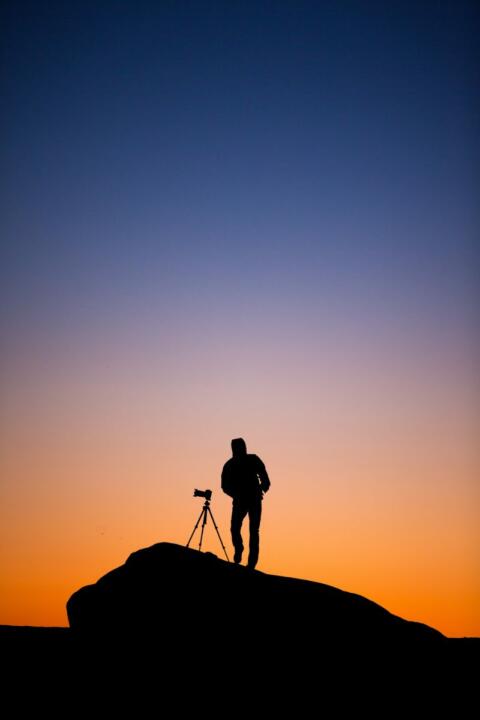
silhouette of person standing beside DSLR camera with stand at sunset
Photo by Braden Jarvis

Invariably in these conversations about getting it right in camera, “that guy” will wade in with the gem that “I don’t need to do post processing because I get it right in camera.”

**sigh**

Yup. Yup. Yup.

Ok, let’s do it..

But I Always Get it Right in-Camera!

Sorry, but you do need to do post-production and you absolutely do not “get it right” in camera in 99% of cases (especially if you’re photographing complex exposure scenes like landscapes or dynamic scenes like sport or wildlife).

man taking photo using black and white DSLR camera on hill at daytime
Photo by Annie Spratt

Nobody does. Sure, you can snag the occasional unicorn, but it’s rare. It’s probably more plausible in scenarios where you control everything (studios), but it’s still rare that you shoot the perfect shot.

Every magazine cover shot in a studio has been edited. That is just a fact.

The chances of you snagging the perfect shot that needs absolutely no spot removal, no lens distortion correction, no areas of exposure correction let alone having perfect composition… well, it’s a BIG stretch.

And in any case, “not doing post” is simply leaving it up to your camera to do the post-production for you. The very act of transforming a raw file to jpg ***IS*** post production.

When your camera translates the scene into a jpg, it relies on a set of assumptions made by (admittedly very clever) optical engineers. And as smart as those people are, they still work towards what works best in the most common scenarios for the most users of their cameras. Lots of assumptions that simply are not 100% applicable to 100% of people’s shots.

We’ll leave aside that the vast majority of cameras also have multiple jpg settings (normal, vivid etc) that you can choose too (more post-production). 

So do your post-production yourself, or leave it to the German/Japanese engineers to choose your settings, but it IS post production one way or the other.

Ansel Adams did post processing and even wrote a book on it. James Natchwey spends days in the darkroom for his famous shots. Steve McCurry famously got caught out doing a little too much post production and telling fibs about it (don’t do that). 

So “that guy” who claims everything they shoot is “right in camera” is better than those photographers?

Sorry, I don’t think so.

And in ALL of the cases I have checked out (because I usually look for their portfolio when they make the claim), literally 100% of them could have been improved with some skilful post—production. Some of them by a lot.

Here is a Fact About Getting it Right In-Camera

Good photography requires good shoot skills AND good post-production.

You should be trying to master them both because both require a lot of skill.

Get it right in camera. Then get it right in post-production too.

Let's block ads! (Why?)


Light Stalking https://ift.tt/3l4rsuk

Sourced by Time Trap Photography sharing the best photography tips, news and tricks throughout the industry. Time Trap Photography is dedicated to freezing those special moments in life that can be revisited and admired for generations to come. - Shannon Bourque
Please visit our main site for booking availability and rates.


"Time


Receive valuable industry knowledge delivered free to your email each day.

"Time

Photographing Fall Foliage in Mount Rainier National Park

6:03:00 AM

Autumn is my favorite time for photographing in the Pacific Northwest. There are many places to capture autumn colors, but nothing quite compares to photographing fall foliage Mount Rainier. The Pacific Northwest and Mount Rainier make the perfect combination of elements needed for stunning images of fall photography. Not only is Mt Rainier known for its larger than life size, but also it picturesque lakes, waterfalls, meadows, and tundra.

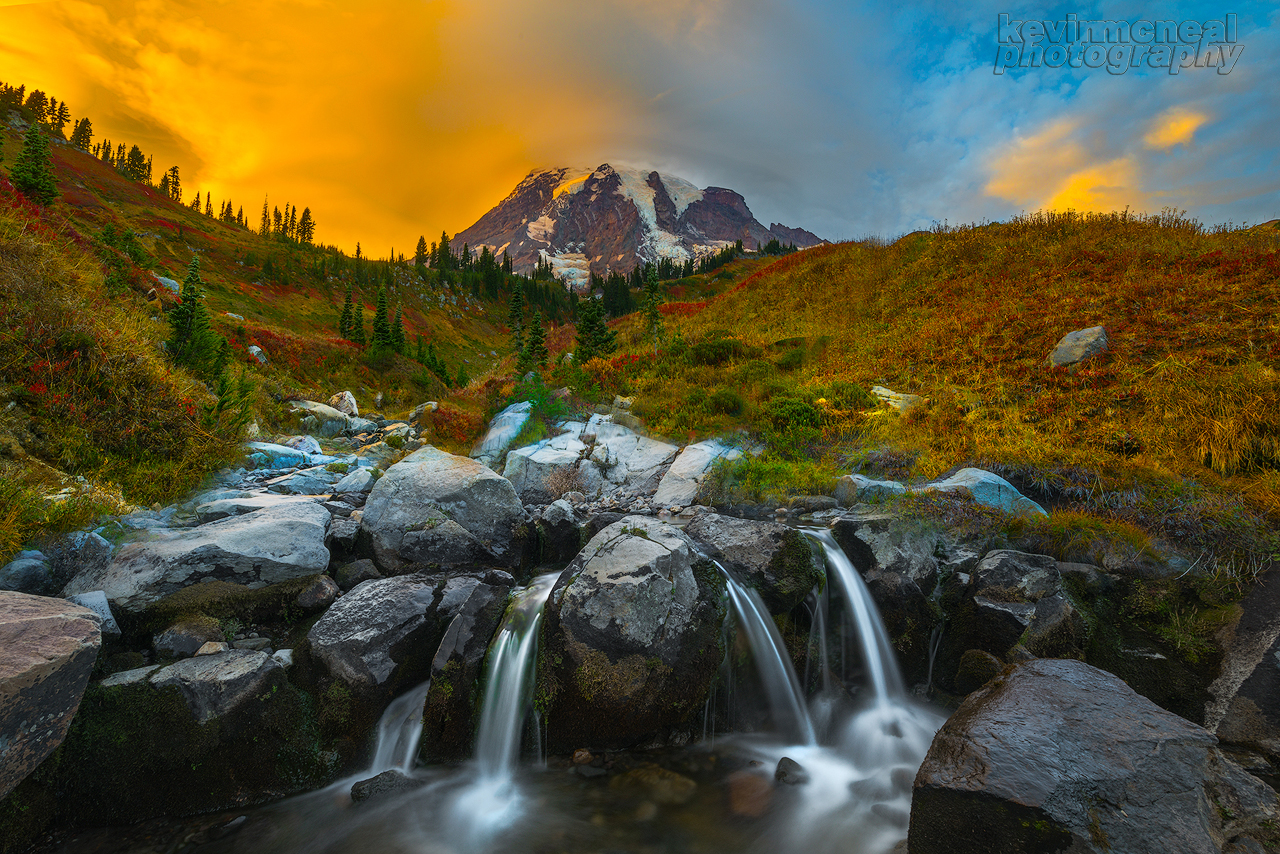
Landscape Photography from Silver Forest Trail on the Sunrise side of Mt Rainier National Park by Kevin McNeal

Late afternoon light and a lenticular cloud combine for a stunning moment along the Silver Forest Trail on the Sunrise side of Mt Rainier

Timing for capturing Fall Foliage

Although it varies year to year, I find the best time for fall foliage photography is the last week of September to Mid-October. The color usually lasts until the first week of November when the snow first starts. Check fall reports on the Internet and the Mt Rainier website for more up to date information. There are two main areas to visit when going to Mt Rainier National Park, the Paradise and the Sunrise sides. Both have excellent fall color and a host of different aspects to photograph.

Sunrise Side Locations

In my experience, the fall colors start a few weeks earlier on the Sunrise side. The best places to photograph on the Sunrise side are Yakima Peak, Emmons Glacier (Silver Forest Trail), and the Tipsoo Lake area. Take time to explore around Tipsoo Lake, especially the Naches Peak trail and both the Upper and Lower Tipsoo surrounding lakes. Early morning around Tipsoo Lake usually has a host of colors and mist that make for excellent atmospheric images. When photographing in late September the stunning sunrises make for great fall photography conditions.

Fall Foliage Photography at Mt. Rainier by Kevin McNeal

Fall Foliage Photography at Mt. Rainier National Park, Washington

In terms of the foliage, red huckleberry and larch is what you can expect to find on Mt Rainer. The other types of foliage you see are cottonwoods, willows, elderberry, aspen, tamarack (western larch) and evergreen trees. Although there are several types of fall foliage to shoot in Mt Rainier, my personal favorite is the Red Huckleberry. Visually, the red is very impactful and always sticks out above other fall foliage. When photographing try to incorporate the red huckleberry with areas of water like lakes and ponds. The reflection of the red foliage mirrored looks stunning. The first sign of fall color is the red huckleberry, followed by larches in the later stages of autumn.

Paradise Side Location

When it comes to photographing on the Paradise side of Mount Rainier I like to start off by looking for fall colors at the Paradise Inn. The area around the Inn has a great view of the mountain. The best displays of fall color right can be found right at the visitors center.

Autumn Landscape photo from Myrtle Falls Beneath Mt Rainier by Kevin McNeal

Autumn colors at Myrtle Falls Beneath Mt Rainier

Heading up the pathway to Myrtle Falls, the fall colors and view of the mountain only get better. Try to incorporate waterfalls from the Paradise Side. Although the hike can be somewhat strenuous, the hike is worth it. If you keep along the path they converge into the Paradise Valley where the mountain is in full view. If you turn 180 degrees away from the mountain you get grand views of the Tatoosh range. The Tatoosh Range looks best at sunset.

Fall foliage at Tatoosh Range At Sunset in Mt. Rainier National Park

Fall foliage at Tatoosh Range At Sunset

When the weather looks active and the clouds are moving in, the Paradise Meadows also makes a great sunset spot. Sometimes the clouds block views of Mt Rainier. However, the colors on the Tatoosh Range look excellent. In essence, the Paradise Meadows is your safest bet if you are looking to capture some fall colors on the mountain. If you continue up the hill past Myrtle Falls, you will eventually reach the Mazama Ridge. It’s my favorite area to see the mountain and fall color. With wide-open meadows of vibrant color, and full views of the mountain it makes for an excellent combination.

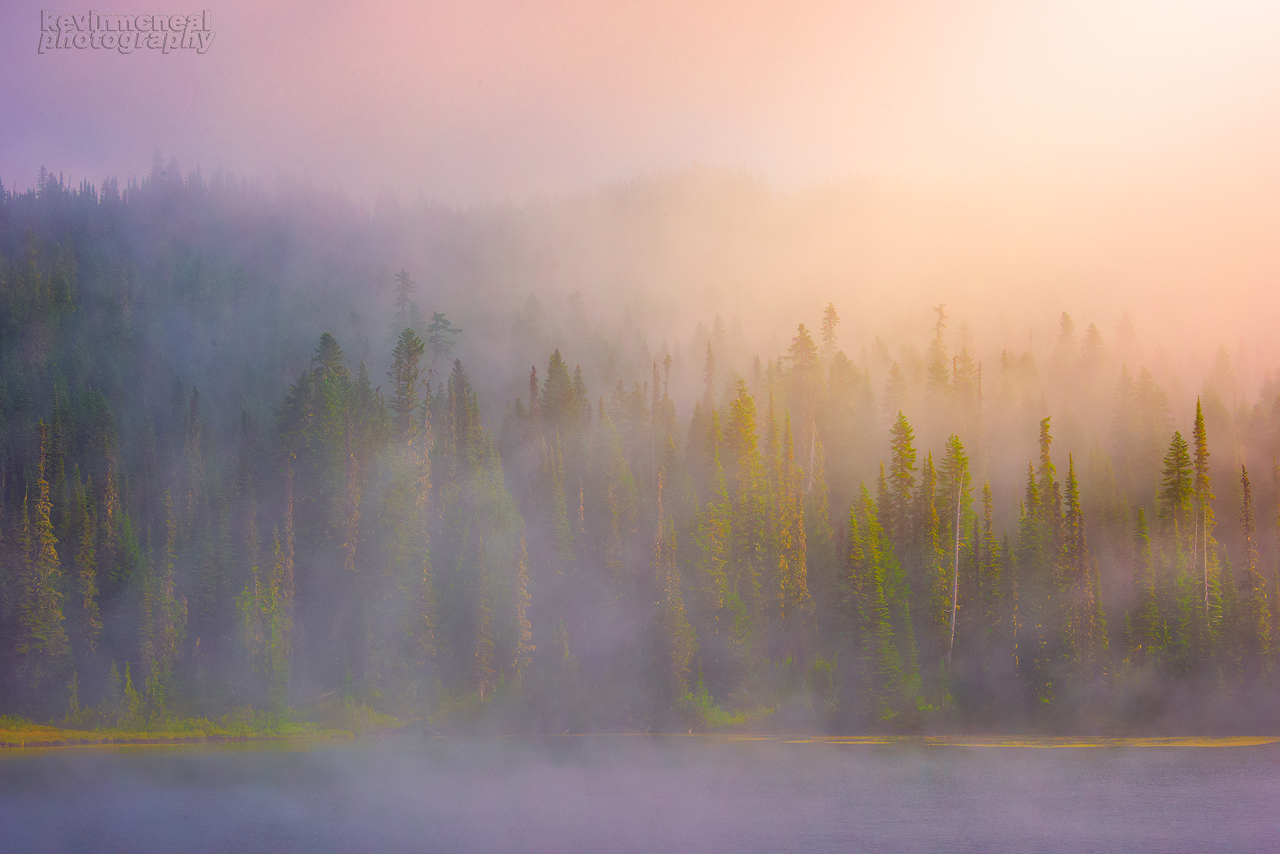
Moody Fall Photo at Reflections Lake, Mount Rainier National Park

Moody Fall Photo at Reflections Lake, Mount Rainier National Park

The total hike in and out from the Mazama Ridge is about 4 miles. There are several areas to stop along the way to photograph fall colors. If you like to shoot reflection images of the mountain, you can’t do better than both the Reflection and Bench Lake areas. I always make an annual stop at these lakes early in the morning to capture both atmospheric mist and fall colors.The hikes around the lake also present many possibilities to shoot more intimate shots of autumn.If you are looking to capture images of fall color and forest scenes, then head into the Grove Of Patriarchs. Many short hikes in this forest provide stunning forest views of the tall trees and fall colors.

Lenticular cloud and fall foliage at Mt. Rainier by Kevin McNeal

Lenticular cloud and fall foliage at Mt. Rainier

To get really creative, try photographing really low to the ground and aim straight up with the camera. Look to combine both fall colors and evergreen trees together. With so many places to photograph on Mt Rainier, you always have many options available. If you are lucky enough to live close to the mountain, September is a great time to watch the mountain for unusual weather activity. The elevation of Mt Rainier is so high it creates its own weather system. Therefore, your chances of seeing unusual weather patterns like lenticular cloud buildup is quite possible.

In layman terms, lenticular clouds are those clouds that look like UFO’s in the sky. They are caused by encounters with obstructions in the sky like very high mountain peaks. Known also as “wave clouds” they make for very interesting patterns and when combined with fall colors make for ideal conditions. In autumn, I check the webcams quite often looking for a buildup of these clouds as it takes often several hours to develop. The Paradise Valley makes for one of the best spots to see this unique weather pattern. Another place that I will often see these weather patterns is along the Silver Forest Trail, which is about .5 of a mile from the parking lot at the Sunrise Visitor Center.

Combine all of the elements of unusual weather, stunning sunrises, and atmospheric conditions and Mt Rainier makes for the perfect autumn spot to photograph. So if you are in Pacific Northwest in autumn be sure to put Mt. Rainer on your list place to visit to capture spectacular fall foliage photos.

About Author Kevin McNeal

Kevin McNeal is a Washington St. photographer focusing on grand colorful landscapes that reflect the most unique places on earth. Capturing moments of magic light and transferring this on print, images behold a combination of perseverance, patience, and dedication to capture the images in ways unseen before. The stories of how these images are rendered come across in the feelings the images convey. Traveling all over North America with his wife by his side, shooting diverse landscapes and finding remote places to bring the message to the public that this Earth is worth saving. His award winning images can be seen in galleries and showings across the United States, and was recently selected to the Art Wolfe Art Gallery for the Environmental Photography Invitational. As well Kevin was the grand winner of the Landscape category for the Natures Best Magazine and was selected for the Smithsonian National Museum of History in Washington D.C..

Let's block ads! (Why?)


Visual Wilderness https://ift.tt/3cNQBqh

Sourced by Time Trap Photography sharing the best photography tips, news and tricks throughout the industry. Time Trap Photography is dedicated to freezing those special moments in life that can be revisited and admired for generations to come. - Shannon Bourque
Please visit our main site for booking availability and rates.


"Time


Receive valuable industry knowledge delivered free to your email each day.

"Time

1. Oktober 2020

4:18:00 AM

Das Bild des Tages von: Frank Waterkotte


kwerfeldein – Magazin für Fotografie https://ift.tt/2HEgFZo

Sourced by Time Trap Photography sharing the best photography tips, news and tricks throughout the industry. Time Trap Photography is dedicated to freezing those special moments in life that can be revisited and admired for generations to come. - Shannon Bourque
Please visit our main site for booking availability and rates.


"Time


Receive valuable industry knowledge delivered free to your email each day.


"Time

About Us

Time Trap Photography is dedicated to freezing those special moments in life that can be revisited and admired for generations to come. - Shannon Bourque

The lens in focus

“Life is like a camera. Just focus on what’s important and capture the good times, develop from the negatives and if things don’t work out, just take another shot.” — Unknown

TIME TRAP PHOTOGRAPHY COPYRIGHT 2016