Friday, March 29, 2019

29. März 2019

5:01:00 AM

Das Bild des Tages von: flu bu
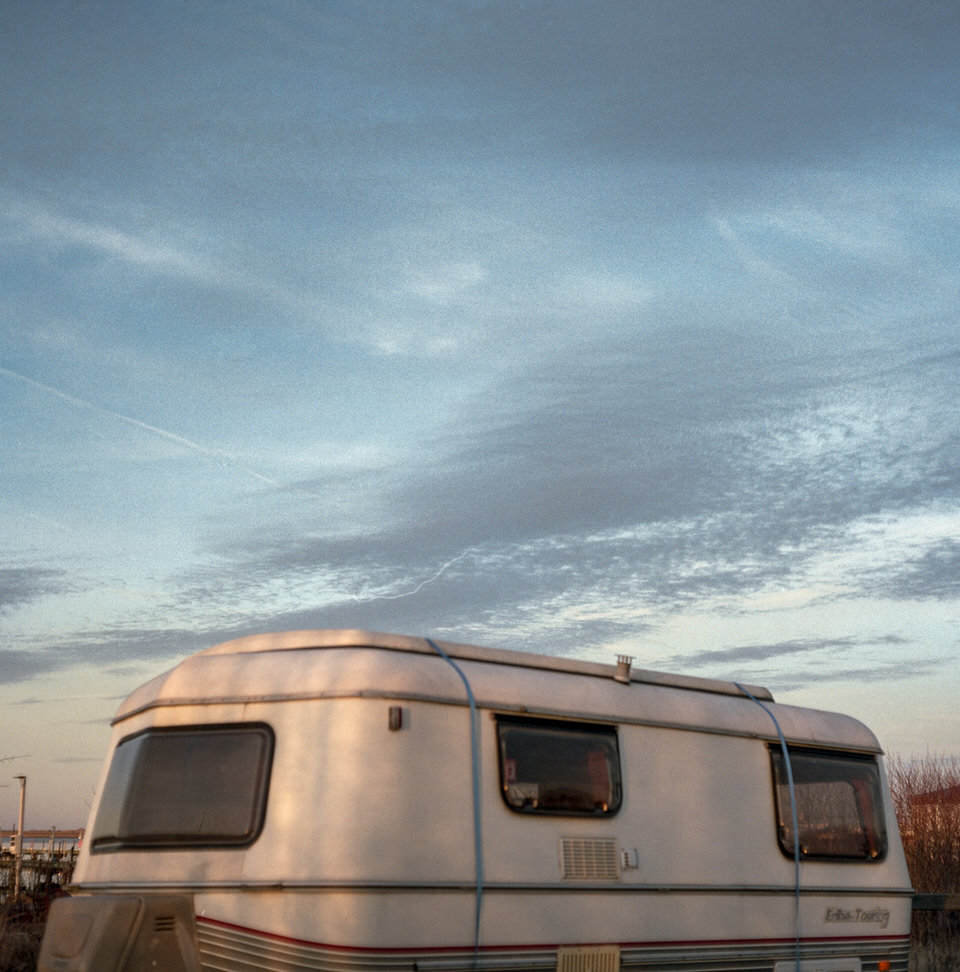

kwerfeldein – Magazin für Fotografie https://ift.tt/2WvSBdu

Sourced by Time Trap Photography sharing the best photography tips, news and tricks throughout the industry. Time Trap Photography is dedicated to freezing those special moments in life that can be revisited and admired for generations to come. - Shannon Bourque
Please visit our main site for booking availability and rates.



"Time


Receive valuable industry knowledge delivered free to your email each day.


"Time

5 Secrets for Gorgeous Macro Photography Compositions

4:01:00 AM

Composition is one of the most important elements of macro photography. If you don’t compose your macro photos carefully, then they’ll lack power. They’ll lack impact. And ultimately? They won’t stun the viewer.

Fortunately, creating gorgeous macro photography compositions isn’t difficult. You just have to know a few composition tricks which I’ll share with you in this post. Are you ready to take your macro photography to the next level?

Then let’s get started.

1. Every Macro Photo Must Have a Subject

This is it. The number one rule of macro composition: Every photo must have a subject.

Macro photography example with a simple subject

Macro photography example with a simple subject: Flowers

What do I mean by this?

Every single macro photo you take must have a point of focus. Something that the viewer’s eyes go to. Something that stands out. If your macro photo doesn’t have a subject, the viewer will feel lost. The photo will seem aimless. And the image just won’t work.

Now, finding a subject doesn’t have to be hard. Just think of what drew you to the scene in the first place. In a flower photograph, the subject can be the flower. In a butterfly photograph, the subject can be a butterfly.

The important thing is to make sure the subject is noticeable.

It’s worth noting: Macro photos occasionally do seem to lack subjects. For instance, an abstract photo of leaves doesn’t have anything that stands out. But in that case, it’s the pattern that is the subject–the repeating shape of leaves in the frame.

So remember: Always include a subject in your macro photography.

Macro photography example of subject that stand out

Macro photography example of subject that stand out

2. Start With the Rule of Thirds for Stunning Macro Photography

If you want to take incredible macro photos, you have to know the rule of thirds. And you have to use it–repeatedly. You have to ingrain it in your mind.

Why? Because the rule of thirds is one of the main building blocks of composition. It’s the bread and butter of macro photography.

Here’s what the rule of thirds states: The best photos place their subject a third of the way into the frame.

If that seems a bit confusing, don’t worry. The rule of thirds comes with a helpful set of grid lines, like this:

  • Rule of thirds Example with a macro photography subject

    Rule of thirds Example with a macro photography subject

  • Grid lines to demonstrate the rule of thirds example with a macro photography subject.

    Gridlines to demonstrate the rule of thirds example with a macro photography subject.

When you’re composing your macro photos, place your subject along the rule of thirds gridlines. For instance, you can place flower stems along one of the vertical gridlines. And you can place the flower head at the intersection of two gridlines (called ‘power points’).

Rule of thirds example with a macro photography subject.

Rule of thirds example with a macro photography subject.

See, the rule of thirds will help you balance your compositions. It will make your photos feel nice and satisfying. Most beginners center their compositions. They put the subject smack-dab in the middle of the frame. And this generally doesn’t work. In fact, if you’re a beginner, I recommend you use the rule of thirds almost exclusively. Your images will look far more pleasing.

But as you start to grow more experienced, you can learn to break the rule of thirds. Which brings me to my next tip…

3. Use Symmetry to Create Bold Macro Photography Compositions

According to the rule of thirds, you shouldn’t center your subject. And this is generally true. Centering your subject often looks bad. And it frequently results in static photos.

But there are occasional exceptions.

And one of these exceptions? When your subject has clear symmetry. Then you can center your subject–and it’ll make for a powerful photograph. Fortunately, in macro photography, you can often find symmetry.

For instance, flowers offer lots of symmetrical compositions. You can shoot the middle of a flower–and center the photo for a great result.

Example of breaking the rule of the thirds to perverse symmetry for your macro photos.

Example of breaking the rule of the thirds to perverse symmetry for your macro photos.

You can also shoot a flower from an upright angle, and still manage to capture some symmetrical compositions.

Now, I love the rule of thirds. But I’m also a huge fan of symmetrical compositions. Because symmetry is often impactful in a way that the rule of thirds isn’t.

Example of breaking the rule of the thirds to perverse symmetry for your macro photos.

Example of breaking the rule of the thirds to perverse symmetry for your macro photos.

The rule of thirds is subtle. But symmetry is an in-your-face type of composition.

Bottom line? If you come across symmetry, I recommend taking a few centered shots. But then take a few more using the rule of thirds. You don’t want to miss out on a great opportunity!

4. Fill the Frame With Your Subject

Using symmetry can be a great way to take impactful photos. But there’s another way to create impact with your macro compositions.

Here’s what I suggest: When you find a subject that you want to photograph, don’t just settle for a basic snapshot. Instead, push your lens to its maximum magnification.

Get in close. And fill the frame with your subject.

Macro photography example of getting close to your subject

Macro photography example of getting close to your subject.

If you do this, you have to be thorough. You must make sure that none of the background is peeking out. Because little bits of the background will distract. They’ll take away from the shot.

Now, when you fill the frame with your subject, make sure that there’s still something of interest in the photo. Remember tip number one: Make sure your photo has a clear subject!

When I photograph flowers, I like to focus on the lines and curves of the petals. This adds interest–but doesn’t require that I show anything more than my subject.

Example of getting up close to your macro photography subject

Getting up close to your macro photography subject.

In fact, I suggest you use your lens’s maximum magnification to find original compositions–compositions that you wouldn’t have otherwise considered.

But…What if you want to include the background in your photo? What then?

5. Include a Uniform Background for Maximum Impact

If you decide to include a background in your macro photos, I urge you to choose it carefully.

You need to select a background that makes the subject stand out. And you need to select a background that won’t distract from the subject. In fact, the best macro photography backgrounds do something really well: They complement the subject. They add something to the photo.

Example of uniform background for macro photography subject

Uniform background will make your macro photography subject stand out.

How do you do this?

I recommend you start by making your background uniform. It can be a uniform yellow, a uniform white, a uniform black, etc. The key is to find a background that is simple–and won’t take away from your subject.

Here, a wide aperture is your friend. I often shoot in the f/3.2 to f/5.6 range, because I want the smoothest background possible. And I suggest that you at least experiment with doing the same.

Macro photography example created with shallow DOF

Macro photography example created with shallow DOF (Large Aperture)

Because at f/3.2, a stand of autumn trees becomes a nice yellow blur. Which is perfect for macro photography!

Another tip is to keep a large distance between the subject and the background. Because the farther your background is from your subject, the better your background bokeh will be.

And finally if you can’t find a good background, get down low–and put the sky behind your subject. This works especially well on cloudy days. When you do this, you’ll capture a smooth white background–one that helps make the subject stand out.

Now, I like basically all uniform backgrounds. But here’s the thing: Uniform backgrounds aren’t created equal. Some uniform backgrounds are more beautiful than others.

Specifically, I like white backgrounds, black backgrounds, and golden/yellow backgrounds. I’m less fond of green backgrounds and brown backgrounds. Why? Green and brown backgrounds often feel muddy. And they tend to weight photos down–rather than enhancing them.

Regardless, I suggest you begin by making your backgrounds uniform (in any way you can). Then you can start experimenting with different options, like colorful backgrounds.

Example uniform background heavy background that does not complement your macro photography subject.

Uniform background heavy background that does not complement your macro photography subject.

Let me reiterate: You have to choose your background carefully. Because beautiful backgrounds are the ‘secret sauce’ of macro photography composition. They’ll take your macro photos to the next level–and then some.

Next Steps

Now you know how to create gorgeous macro photography compositions. Because you know how to find a subject–and make them the center of attention.

  • Macro photography example with uniform background

    Macro photography example with uniform background

  • Macro Flower Photography Example.

    Macro Flower Photography Example.

You know how to use the rule of thirds to create balanced compositions. You know how to use symmetry (and fill the frame) for impactful photos. And you know how to find gorgeous backgrounds when you need to.

So the next step is to get out and shoot!

Have any other macro photography composition tips? Share them in the comments!

About Author Jaymes Dempsey

Jaymes is a nature photographer from Ann Arbor, MI. To learn how to take stunning nature photos, check out his free eBook: website and his blog!

Let's block ads! (Why?)


Visual Wilderness https://ift.tt/2UlubWD

Sourced by Time Trap Photography sharing the best photography tips, news and tricks throughout the industry. Time Trap Photography is dedicated to freezing those special moments in life that can be revisited and admired for generations to come. - Shannon Bourque
Please visit our main site for booking availability and rates.


"Time


Receive valuable industry knowledge delivered free to your email each day.


"Time

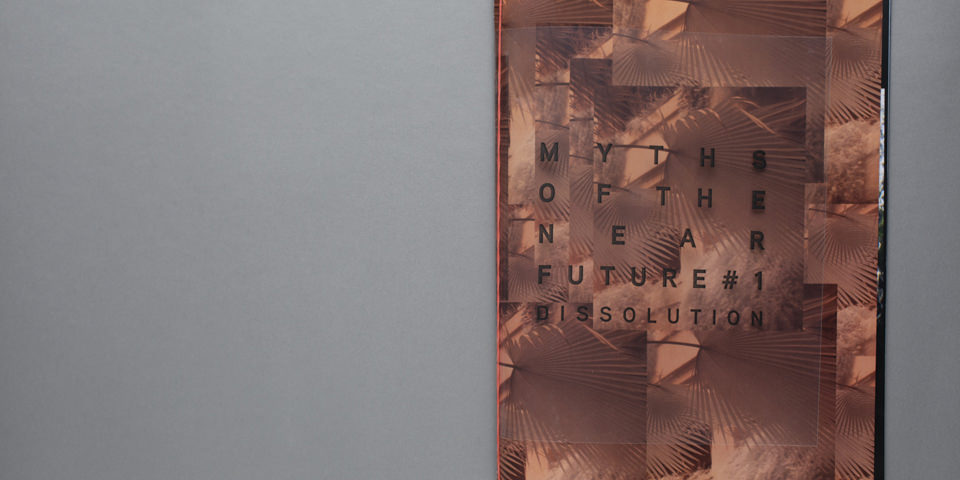
Myths of the near Future – Dissolution

1:10:00 AM

Heftaußenseite in Braun

Ein Beitrag von: Rosa Lisa Rosenberg

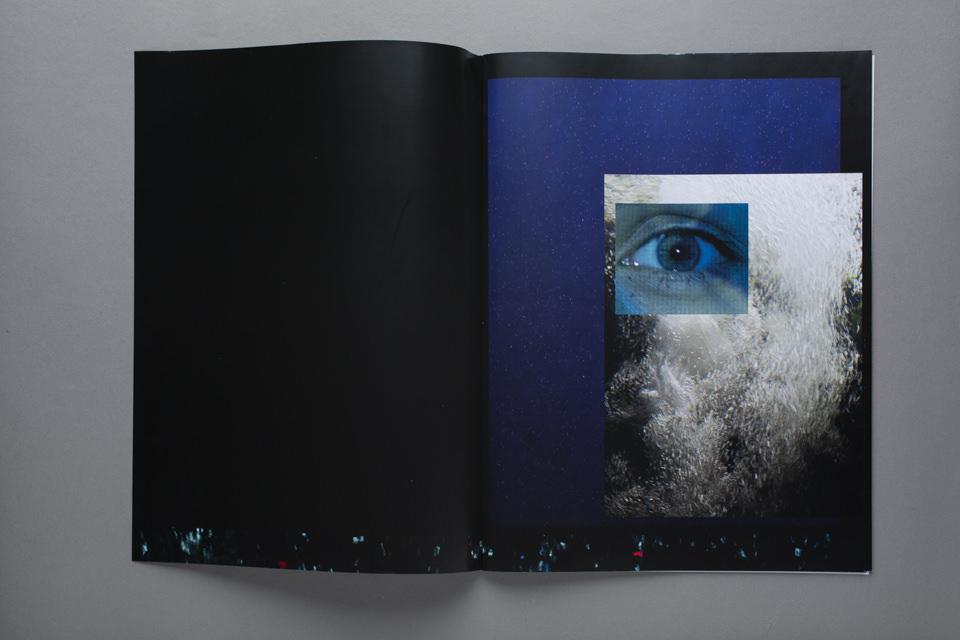
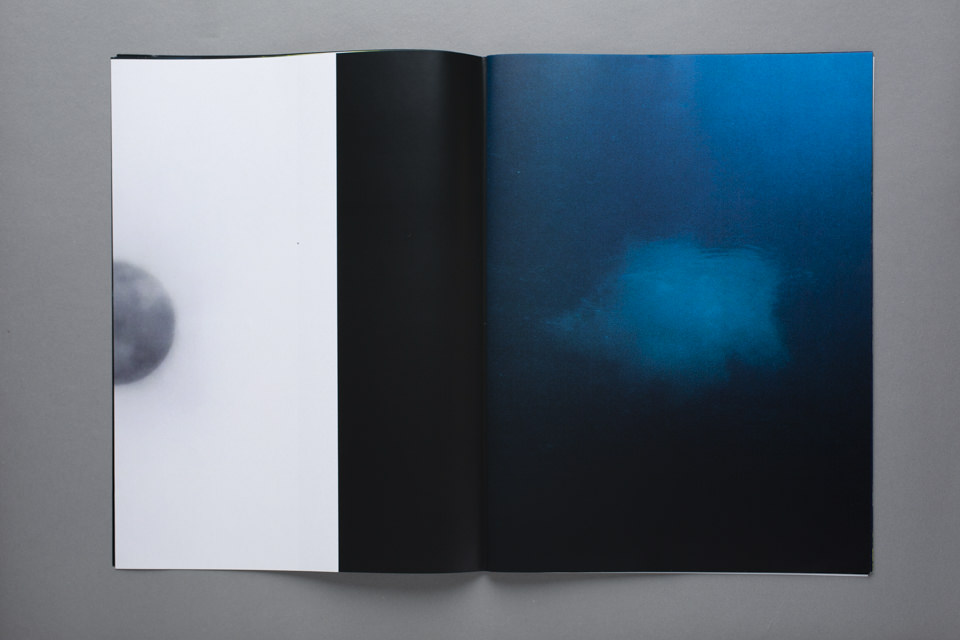
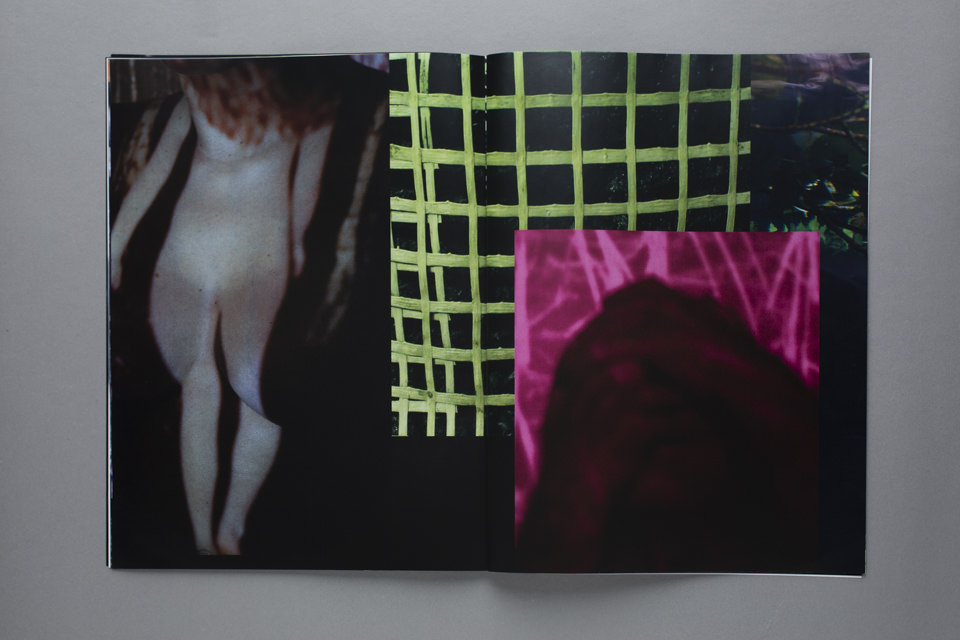
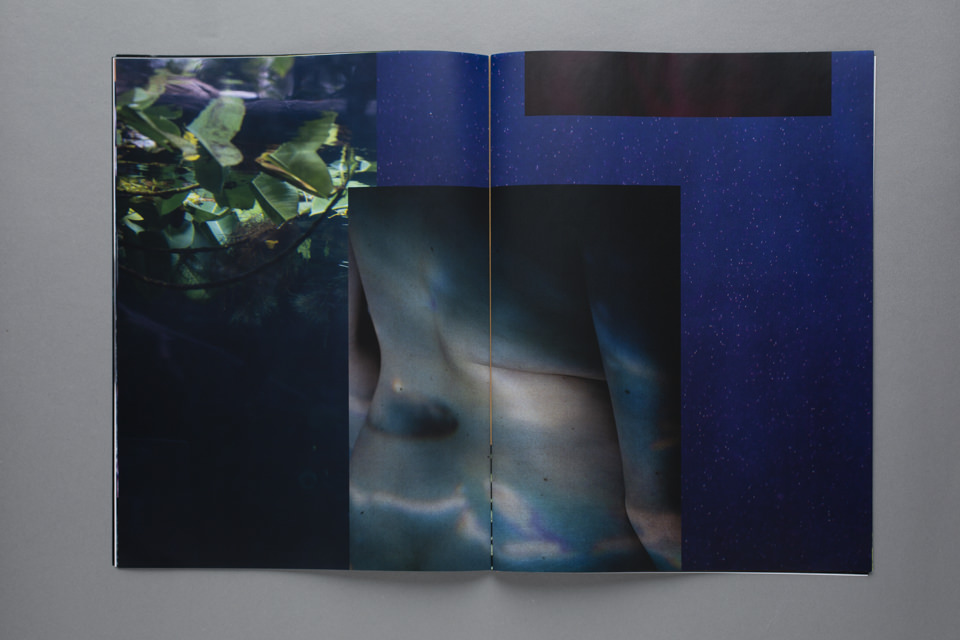
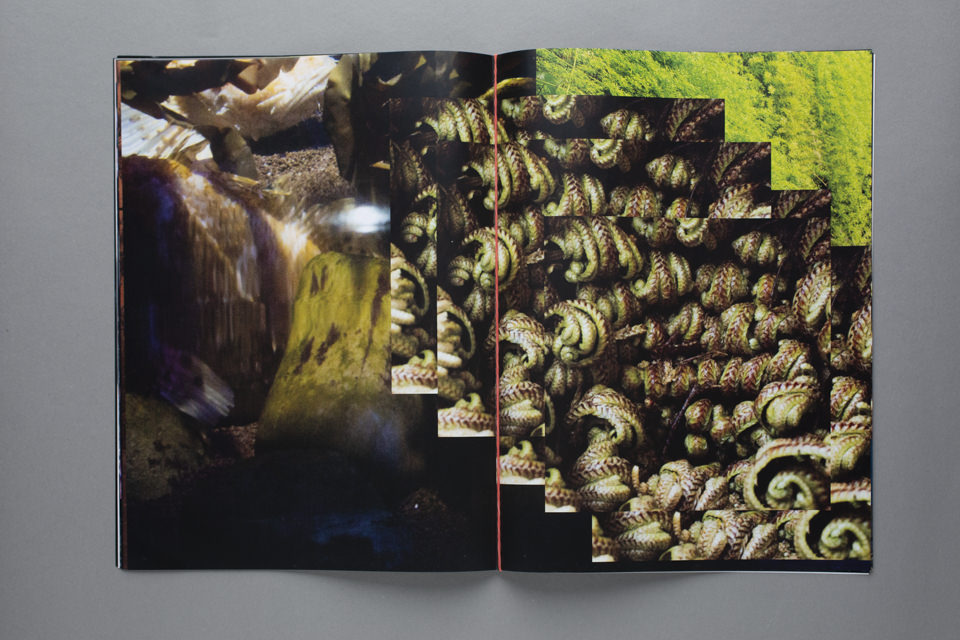
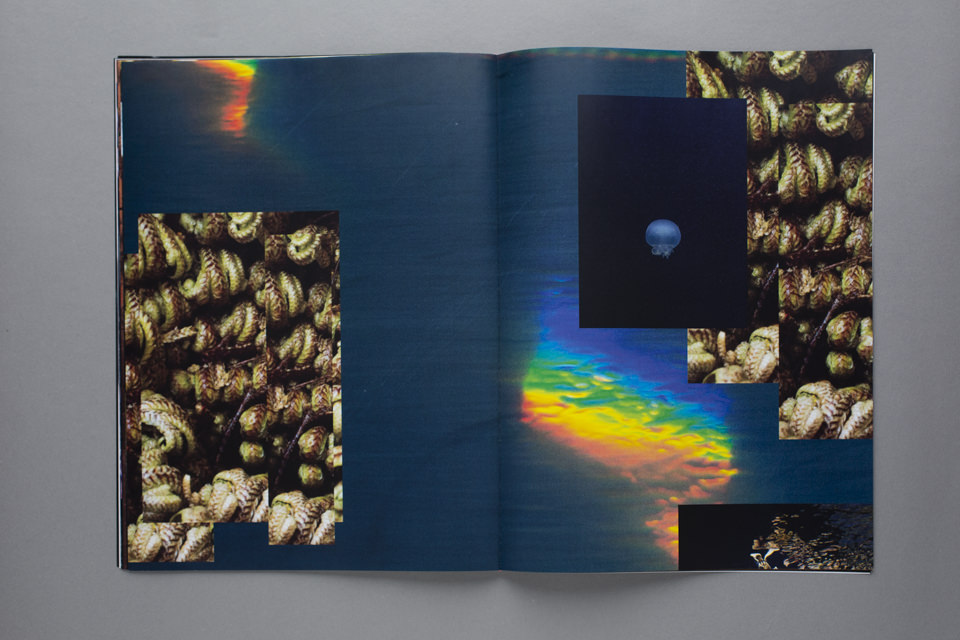
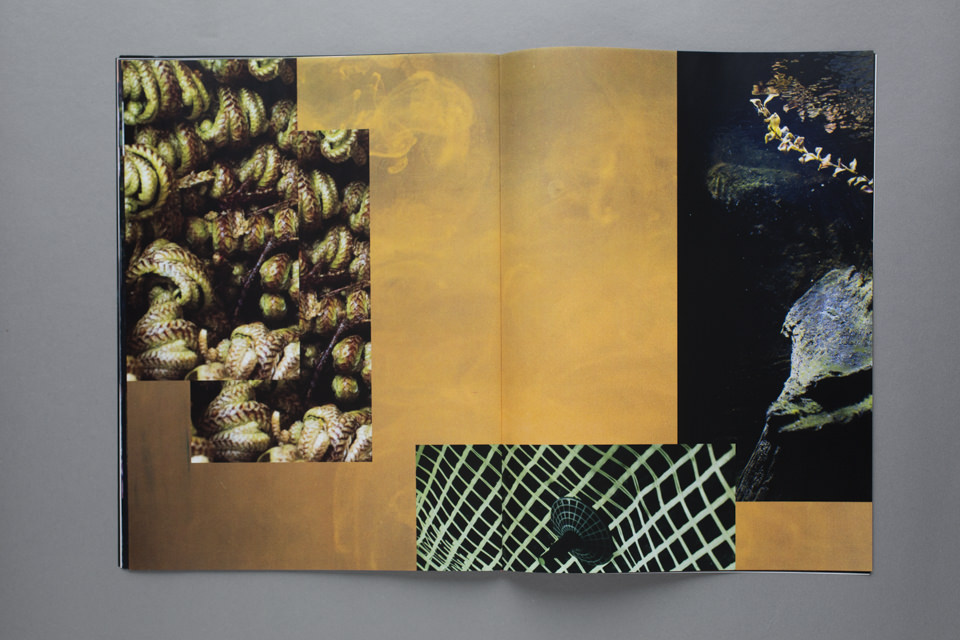
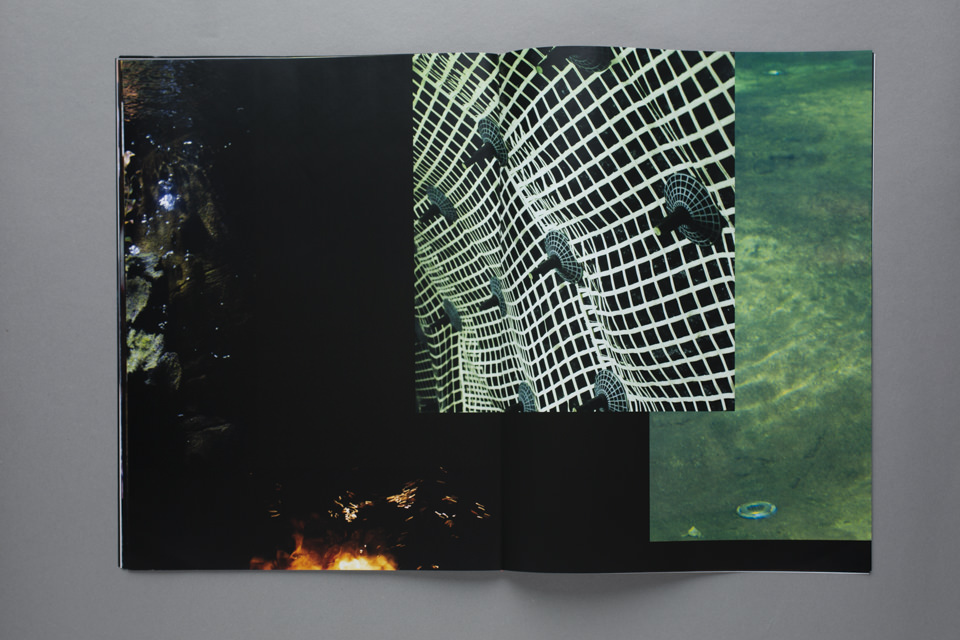
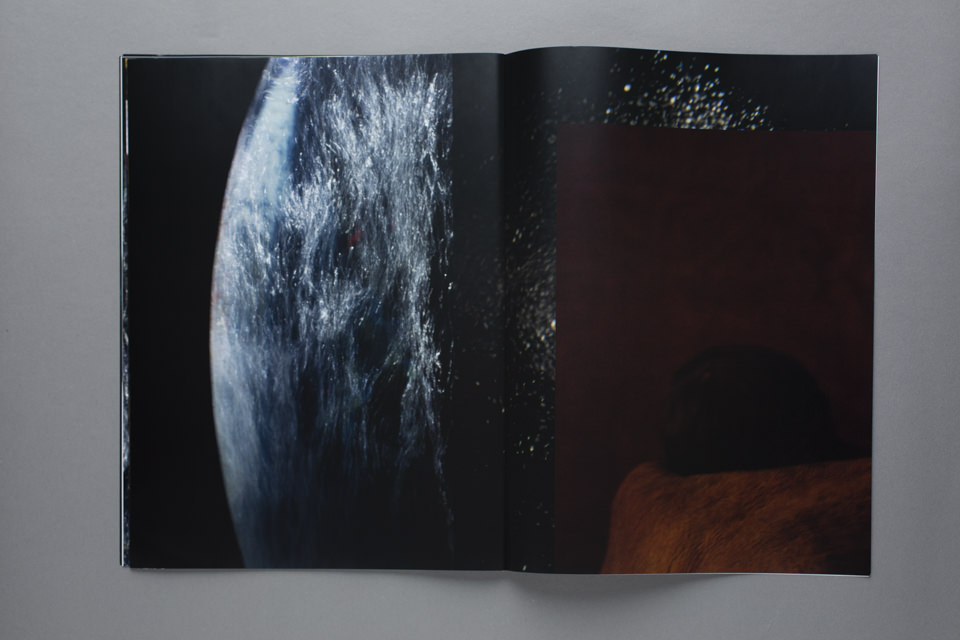
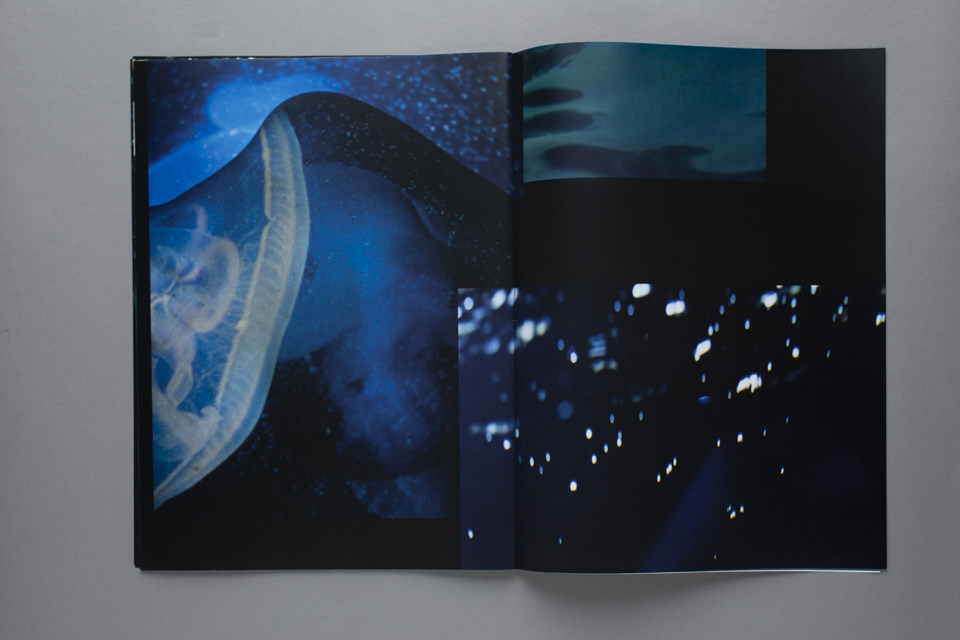
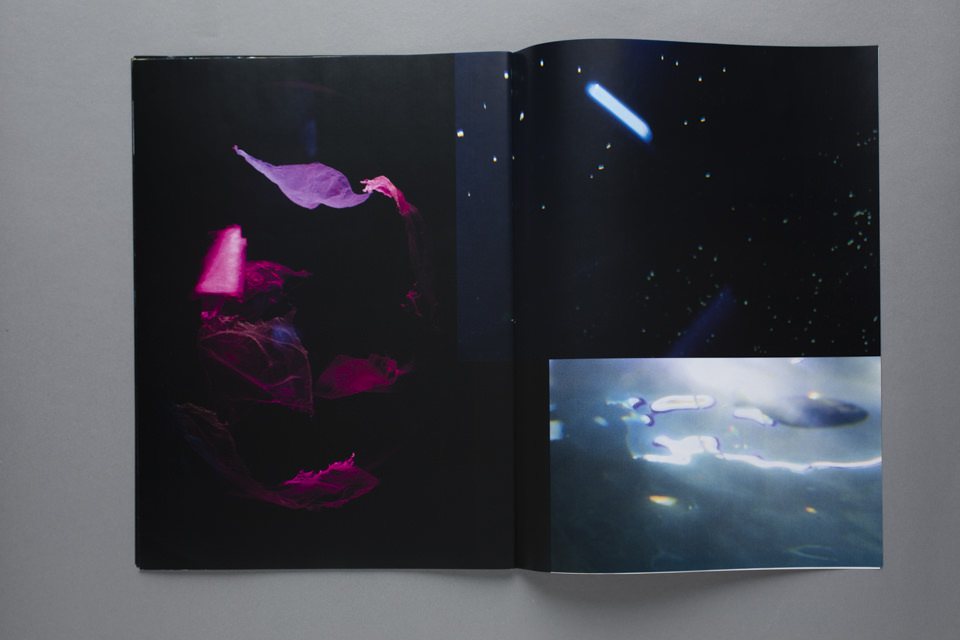
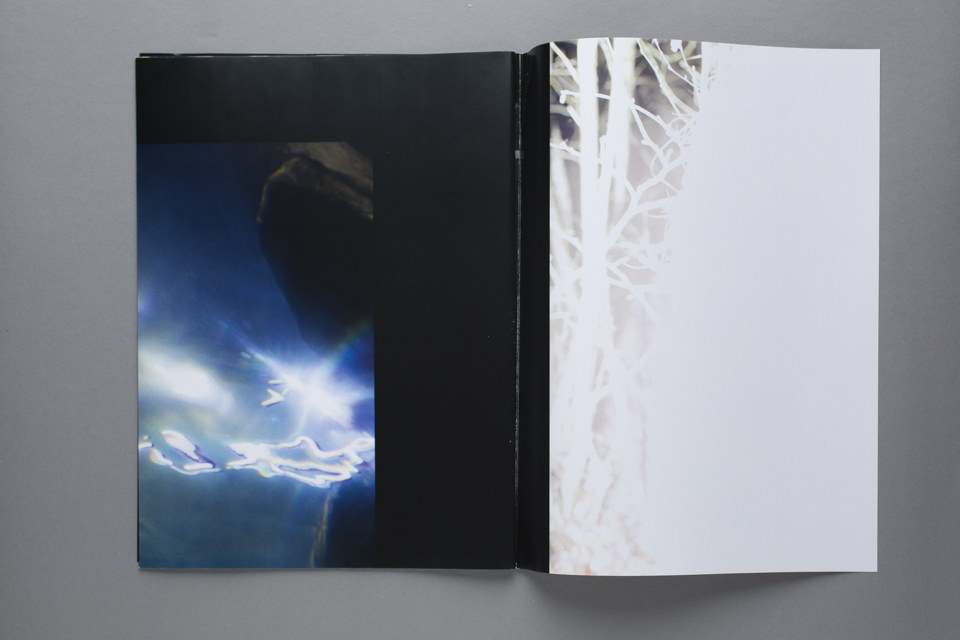
Die Menschheit in ferner Zukunft – der Körper befindet sich im Begriff der Auflösung, er verschwindet. Diese Vision der menschlichen Zukunft inszeniere ich in „Myths of the near future – Dissolution“. 
Ausgehend von Entwicklungen aktueller Technologien, in der Kommunikation immer mehr über digitale Medien vermittelt wird, zeigt meine Arbeit eine Zukunftsvision, in der der Körper nicht mehr gebraucht wird.

Bereits in meinen vorherigen fotografischen Arbeiten habe ich mich der Betrachtung und Erforschung anderer Welten gewidmet. Dabei versuche ich, mich visuell Fragen zu nähern, durch diese visuelle Erzählweise den Eindruck von Welten zu vermitteln und meinen Eindruck der Welt darzustellen. Dabei lege ich mich im Vorhinein nicht fest, inwiefern ich meine fotografische Arbeit präsentiere.

Jedoch bot es sich bei dieser Thematik an, in Form eines Buches oder installativ zu arbeiten. Auch dieses Projekt hat die Form eines Magazins bzw. Heftes und ist gleichzeitig auch eine Rauminstallation. Dabei geht es thematisch im Heft um den Zustand der Auflösung, den ich versuche, zu vermitteln, während die Installation die zukünftige Welt ist, die ich erschaffen habe und in die die Betrachter*innen beim Betreten des Raumes eintauchen können.

Mein schon immer dagewesenes Interesse an Science-Fiction war dabei der Auslöser, ein solches Thema fotografisch zu bearbeiten. Ich wollte eine eigene fantastische und etwas absurde Welt inszenieren. Um diese eigene Welt zu erschaffen, bin ich erst einmal in unserer Welt auf die Suche nach anderen „Welten“ bzw. nach Eindrücken anderer Welten gegangen.

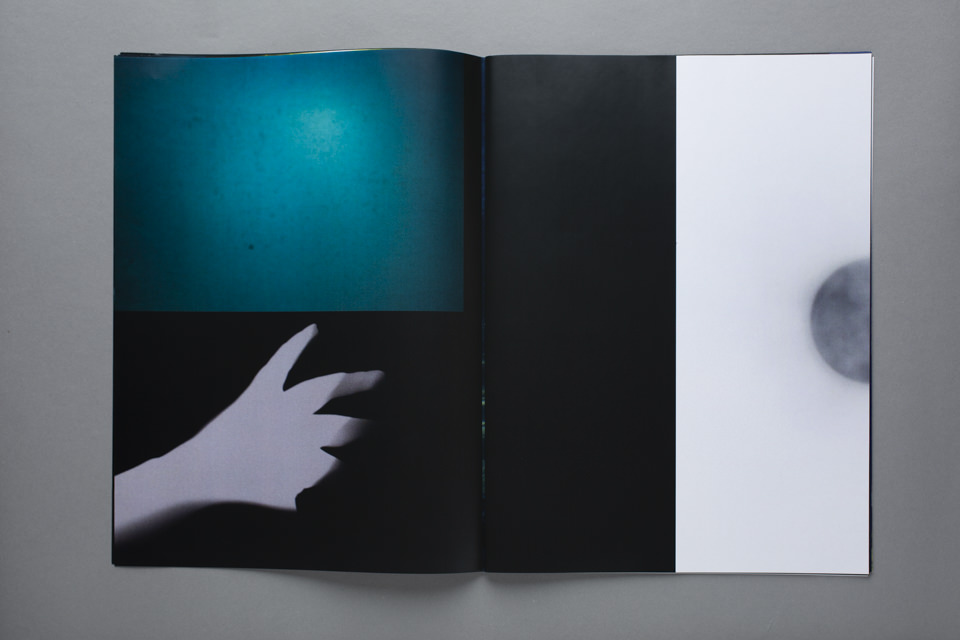
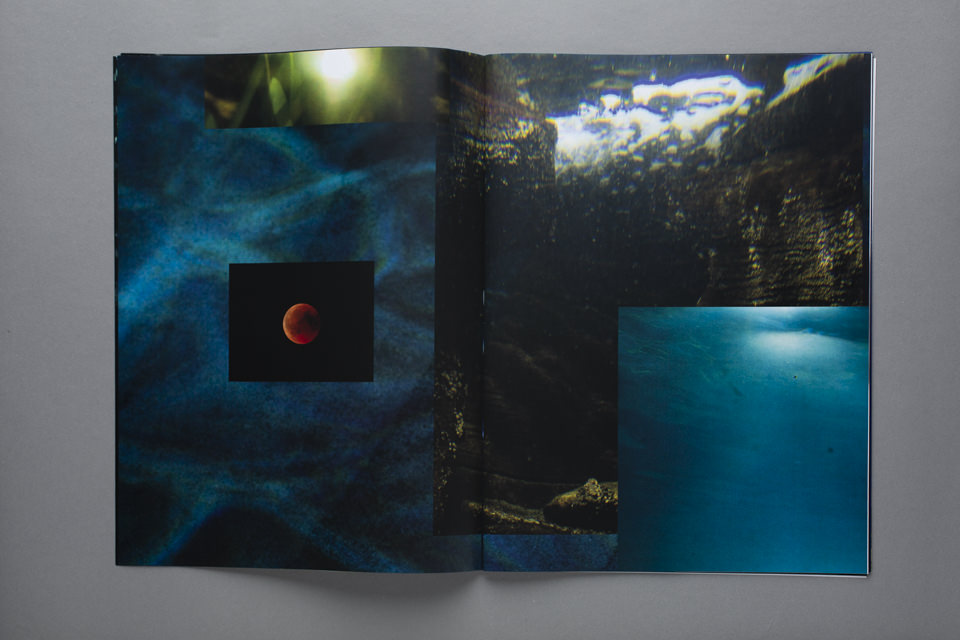
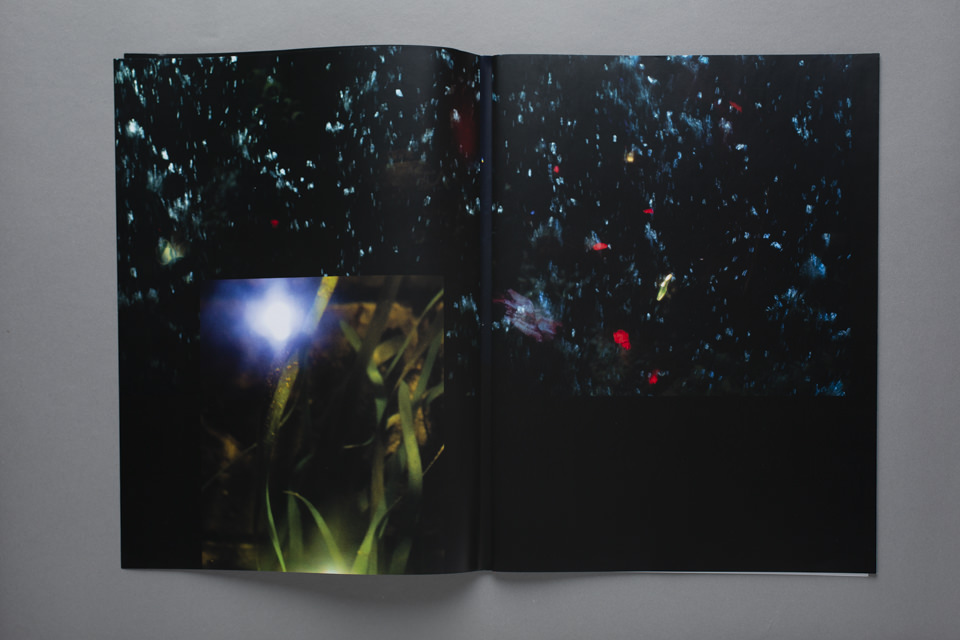
Die Schwierigkeit bei der Bearbeitung meines Themas war es ja, etwas zu erschaffen, was noch nicht existiert. Deshalb bediene ich mich bei dieser Arbeit visuell teilweise der Abstraktion. Mit diesem Stilmittel habe ich die Vorstellung einer eigenen Welt verwirklicht und sie sozusagen geschaffen. Durch die abstrakte Darstellungsweise habe ich den abgebildeten Gegenständen die Gegenständlichkeit entzogen und ihnen den Bezug zu dieser Welt genommen. Dieser Vorgang sollte auch die Thematik der körperlichen Auflösung unterstreichen.

Aufgeschlagenes Heft mit abstrakten Bildern

Aufgeschlagenes Heft mit abstrakten Bildern

Aufgeschlagenes Heft mit abstrakten Bildern

Aufgeschlagenes Heft mit abstrakten Bildern

Aufgeschlagenes Heft mit abstrakten Bildern

Aufgeschlagenes Heft mit abstrakten Bildern

Aufgeschlagenes Heft mit abstrakten Bildern

Aufgeschlagenes Heft mit abstrakten Bildern

Aufgeschlagenes Heft mit abstrakten Bildern

Aufgeschlagenes Heft mit abstrakten Bildern

Aufgeschlagenes Heft mit abstrakten Bildern

Aufgeschlagenes Heft mit abstrakten Bildern

Aufgeschlagenes Heft mit abstrakten Bildern

Aufgeschlagenes Heft mit abstrakten Bildern

Aufgeschlagenes Heft mit abstrakten Bildern

Aufgeschlagenes Heft mit abstrakten Bildern

Aufgeschlagenes Heft mit abstrakten Bildern

Aufgeschlagenes Heft mit abstrakten Bildern

Aufgeschlagenes Heft mit abstrakten Bildern

Aufgeschlagenes Heft mit abstrakten Bildern

Aufgeschlagenes Heft mit abstrakten Bildern

Inspiriert wurde diese Arbeit unteranderem durch den gleichnamigen Kurzgeschichten-Sammelband von J. G. Ballard. Ebenso wie dieses Buch eine Sammlung von Kurzgeschichten ist, sollen noch weitere Ausgaben meines Magazins erscheinen, die sich fotografisch mit der Zukunft der Menschheit und der Welt auseinandersetzen.


kwerfeldein – Magazin für Fotografie https://ift.tt/2JQljUQ

Sourced by Time Trap Photography sharing the best photography tips, news and tricks throughout the industry. Time Trap Photography is dedicated to freezing those special moments in life that can be revisited and admired for generations to come. - Shannon Bourque
Please visit our main site for booking availability and rates.


"Time


Receive valuable industry knowledge delivered free to your email each day.


"Time

About Us

Time Trap Photography is dedicated to freezing those special moments in life that can be revisited and admired for generations to come. - Shannon Bourque

The lens in focus

“Life is like a camera. Just focus on what’s important and capture the good times, develop from the negatives and if things don’t work out, just take another shot.” — Unknown

TIME TRAP PHOTOGRAPHY COPYRIGHT 2016