Saturday, April 28, 2018

Ich bin von der Lochkamera wie besessen
12:06:00 AM

Ein Beitrag von: Moni Smith

Morgen ist es wieder soweit, am letzten Sonntag im April wird der 18. Worldwide Pinhole Photography Day (WPPD) (zu Deutsch: Weltweiter Tag der Lochkamera-Fotografie) ausgerufen. Eine gute Gelegenheit, dem Thema etwas mehr Beachtung zu schenken. Als kleine Inspiration hat sich das Bildrechtsportal Copytrack mit Moni Smith über Lochkamerafotografie unterhalten.

Lochkamerafotografie ist eine herausfordernde, aber auch aufregende Technik. Sie wird bereits seit über 100 Jahren praktiziert und ist ziemlich genau das, wonach es klingt. Für einen besseren Einblick in diese unkonventionelle Art von Fotografie hat Copytrack mit der Lochkamerafotografin Moni Smith gesprochen:

Die Fotografie begleitet Dich schon eine ganze Weile. Wie bist Du das erste Mal mit der Lochkamerafotografie in Berührung gekommen und was hat Dich dazu gebracht?

Vor zirka zehn Jahren hat ein Freund von mir einige seiner Lochkamerafotografien auf Flickr veröffentlicht und ich war davon total fasziniert. Die Bilder hatten eine sehr verträumte Wirkung und zogen mich sofort in ihren Bann. Bis vor fünf Jahren habe dann jedoch nicht mehr an Lochkamerafotografie gedacht.

Zu diesem Zeitpunkt wechselte ich von digitaler Fotografie zur analogen Herangehensweise und freundete mich mit vielen Filmfotograf*innen auf der ganzen Welt an, deren Blogs und Social-Media-Kanäle ich verfolgte. Ein paar von ihnen veröffentlichten Lochkamerabilder und ich erinnerte mich an die Fotos, die ich vor zehn Jahren gesehen hatte.

Ich wollte mehr über die Technik erfahren, also habe ich einen Kurs bei Zeb Andrews besucht, einem bekannten und sehr talentierten Lochkamera-Fotografen hier in Portland, Oregon. Seitdem bin ich wie besessen von der Lochkamera-Fotografie.

Ausstellung

Kannst Du uns erklären, was Lochkamerafotografie überhaupt ist und welchen Einfluss die Technik auf das Ergebnis hat?

Eine Lochkamera ist im Wesentlichen eine Schachtel mit einem Loch drin. Einige Menschen kennen vielleicht Pinhole-Viewer, die bei totalen Sonnenfinsternissen verwendet werden. Eine Lochkamera funktioniert auf die genau gleiche Weise. Auf einer Seite der Schachtel befindet sich ein nadelgroßes Loch und auf der anderen Seite etwas, um das Bild einzufangen (Film oder Fotopapier).

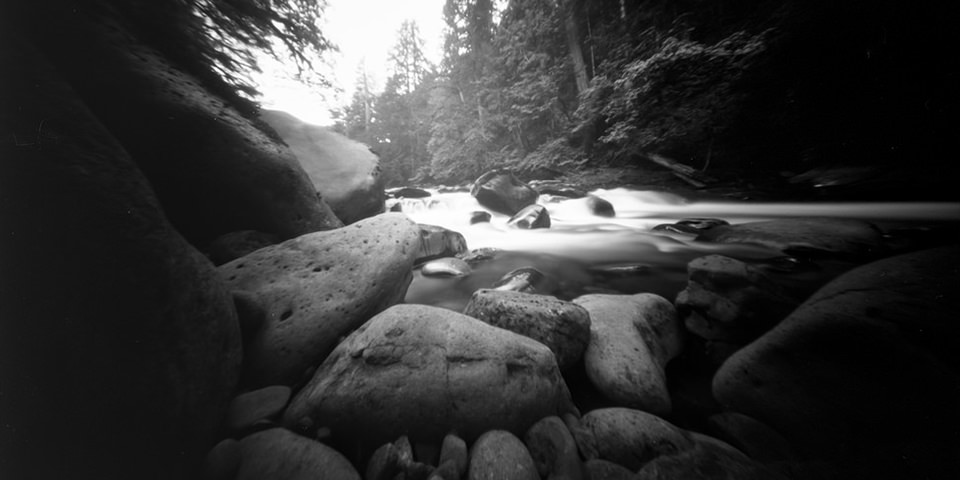
Die Lochblende hat eine sehr kleine Öffnung. Die meisten meiner Kameras haben Blenden, die etwa f/135 groß sind. Um die kleine Blende auszugleichen, muss man längere Belichtungszeiten einplanen. Mit diesem Aspekt lässt sich viel herumspielen, was wirklich Spaß macht. Man könnte am helllichten Tag eine Szene aufnehmen, die über fünf Sekunden lang ist und dabei etwa die Bewegung einer Menschenmenge oder die Unschärfe der Äste eines Baumes aufzeichnen, wenn der Wind durch sie bläst.

Es ist wirklich toll, ein Foto vorzubereiten und nicht genau zu wissen, was letztendlich dabei herauskommt. Eine weitere wirklich interessante Sache bei kleineren Blenden ist, dass eine sehr tiefe Schärfentiefe erzeugt wird, sodass alles innerhalb des Bildes extrem scharf zu sehen ist.

Was sind Deiner Meinung nach die größten Vorteile der Lochkamerafotografie?

Ich liebe es, dass die Technik sehr einschränkend ist. Man muss sich lediglich für einen Film entscheiden, den man verwenden will. Doch sobald der Film erst einmal in der Kamera ist, muss man mit dner Entscheidung leben. Das ganze Tüfteln an der Szene fällt weg, nichts soll von der Komposition der Einstellung ablenken.

Das Einzige, worum man sich kümmern muss, ist die Komposition. Ich habe das Gefühl, dass ich so mehr darauf achten kann, wovon ich hier überhaupt mein Foto mache. Die starke Einschränkung bringt mich irgendwie dazu, kreativer zu sein. So ähnlich, wie ein Dichter auf ein bestimmtes Format seiner Gedichte beschränkt ist, wie ein Sonette oder ein Haiku.

Außerdem liebe ich, dass es mich runterbringt. Die notwendigen Belichtungszeiten an den Orten, die ich gern fotografiere (vor allem im Wald), können recht lang sein – aber ich genieße die Wartezeit!
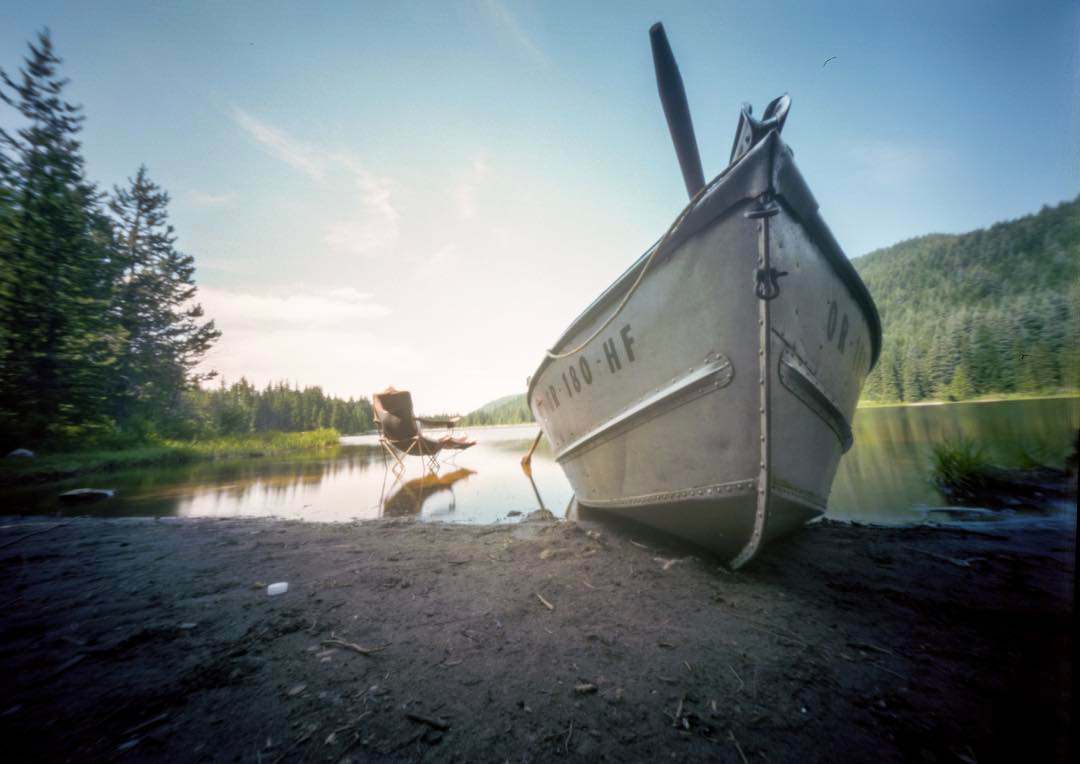
Boot an einem See

Hast Du ein Lieblingsmotiv?

Ich liebe es, Menschenmengen zu fotografieren. Es macht einfach Spaß, die Unschärfe, die durch die Bewegung der Leute entsteht, einzufangen. Außerdem liebe ich das Fotografieren im Wald, weil ich hier den Großteil meiner Freizeit verbringe.

Wo siehst Du die größten Herausforderungen in der Lochkamerafotografie?

Meines Erachtens ist die größte Herausforderung, dass man mit Film arbeiten muss. Das kann eine Herausforderung sein, wenn man an sofortige Befriedigung gewöhnt ist. Außerdem entstehen dadurch einige Kosten: Der Film muss gekauft und entwickelt werden; wenn man selbst zu Hause entwickelt, muss man viel Zeit einplanen. Zu lernen, wie man all diese Dinge tut, ist eine Herausforderung – doch es lohnt sich!

Überdies ist die Lochkamerafotografie eine ganz andere Art zu fotografieren als die digitale Fotografie und auch das Ergebnis ist ein ganz anderes. Man muss lernen, etwas Kontrolle über den ganzen Prozess abzugeben. Die Ergebnisse sind nicht immer die, die man sich erwartet. Das kann auch eine große Herausforderung darstellen.
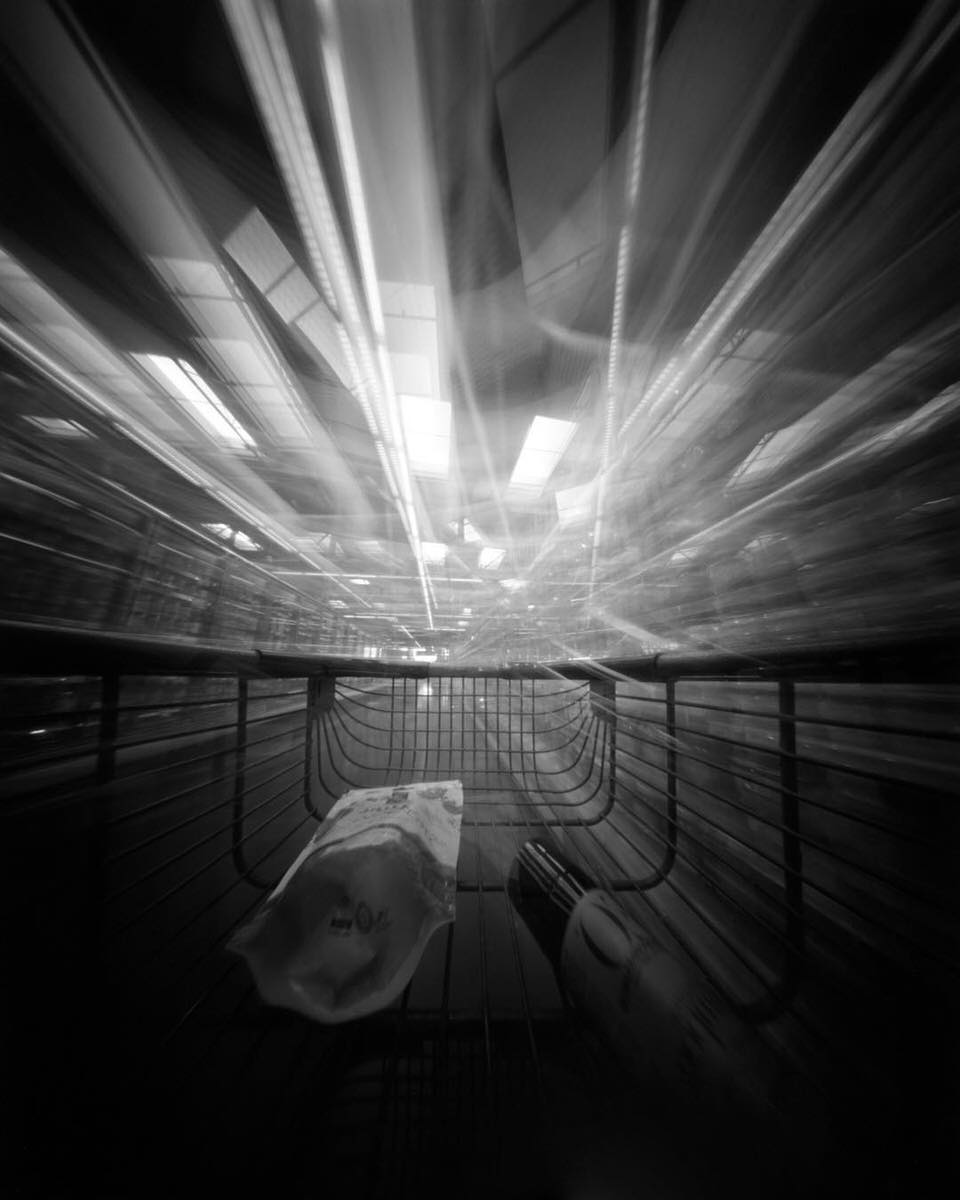
Surreales Bild

Welchen Rat würdest Du jemandem geben, der darüber nachdenkt, sich näher mit der Lochkamerafotografie zu beschäftigen?

Für den Einstieg würde ich eine Kamera mit Mittelformatfilm empfehlen. Hier ist die Auflösung höher als beim Kleinbildfilm, was zu schöneren Ergebnissen führt. Dies wird Dir zu Beginn helfen, denn wie bereits erwähnt ist die Lochbildkamerafotografie mit der Digitalfotografie nicht zu vergleichen. Die Ergebnisse werden Dir auf den ersten Blick merkwürdig erscheinen, weil sie komplett anders sind, als das, was wir gewohnt sind.

Wenn Du gleich mit einer Kamera mit Kleinbildfilm beginnst, wird die Bildqualität nicht so gut sein, was das Bild dann noch seltsamer erscheinen lässt und Dich womöglich frustrieren wird.

Dasselbe gilt für die Digitaltechnik. Es ist möglich, Lochbildkamerabilder mit einer Digitalkamera unter Verwendung eines Objektivdeckels zu erstellen. Das würde ich jedoch nicht empfehlen, da die Qualität der Bilder hier meistens grauenhaft ist. Sobald Du die Kamera hast und bereit bist, schieß einfach los und hab Spaß dabei! Habe keine großen Erwartungen, genieße den Prozess und die unerwarteten Ergebnisse.

Magst Du uns noch verraten, woran Du gerade arbeitest?

Derzeit stelle ich ein Projekt auf die Beine, bei dem eine Lochbildkamera um die Welt geht: Der große internationale Terrapin-Tausch. Mein Freund Todd Schlemmer besitzt einen 3D-Drucker und hat für unser Projekt eine Lochbildkamera gedruckt.

Die Kamera geht dabei zunächst an eine Person, die eine ganze Filmrolle aufnehmen wird und sie anschließend zum ersten Bild zurückspult. Dann leitet diese Person die Kamera zur nächsten Person weiter, die die Rolle dann doppelt belichtet. Dann schießt diese Person eine Rolle, spult zurück und schickt sie an eine andere Person. Die Ergebnisse werden auf der Webseite des Projekts veröffentlicht.

Dieser Artikel erschien erstmalig auf Copytrack. Wir veröffentlichen ihn mit freundlicher Genehmigung.


kwerfeldein – Magazin für Fotografie https://ift.tt/2JzPKdb

Sourced by Time Trap Photography sharing the best photography tips, news and tricks throughout the industry. Time Trap Photography is dedicated to freezing those special moments in life that can be revisited and admired for generations to come. - Shannon Bourque
Please visit our main site for booking availability and rates.



"Time


Receive valuable industry knowledge delivered free to your email each day.


"Time

Friday, April 27, 2018

Time Trap Portrait Instagram Photo - April 27, 2018 at 08:13AM

8:13:00 AM


Shared by Time Trap Photography Instagram page. I'm dedicated to freezing those special moments in life that can be revisited and admired for generations to come. - Shannon Bourque
Please visit our main site by clicking on the logo below for booking, availability, and rates.  


"Time


Receive valuable industry knowledge delivered free to your email each day.
"Time

The 5 Keys to Great Band Photographs

6:02:00 AM

When we have true artists on both sides of the lens, amazing things can happen – just recall all those legendary photographs of rock icons that are still admired, printed and framed just like a few decades ago!

If done properly, band promotional photo shoots should represent artistic collaborations between photographers and musicians, based on shared concepts and aesthetic values.

The similar approach is true for live band photography as well, only in this case a photographer has to have a real knack for choosing the right moment to hit the shutter button. This is not easy at all – there are so many things going on simultaneously on stage!

However, in both cases (promotional and live shoots), the following 5 tips and tricks can help you use your photo gear and visualize your ideas in the most effective manner.

1. Develop A Concept

So make sure you have a concept you can translate into photographic compositions

The worst thing that can happen to a band photographer is not knowing what to do with a group of impatient musicians who expect rainbows and unicorns.

In order to avoid this painful scenario, it’s helpful to have at least 5 well-prepared creative concepts that include different positioning of people and props in space. Sometimes, drawing a sketch of your concept can save you a lot of time.

While it’s not necessary to follow any traditional rule of composition when shooting a band, these rules can still bring a certain visual quality. For example, if you have no idea where to position your subjects within a certain frame, why not start with the rule of thirds and customize it later on.

Also, it’s worth mentioning that musicians are rarely thrilled by clichés and it’s good to offer them something more daring than taking them to an abandoned railway and asking them to look cool.

It can be much more interesting to organize a shoot in the midst of a busy downtown, in some unconventional modern museum, or perhaps on a mountaintop or by the river.

Photo by Jasenka Grujin

2. Use Colors Wisely

Never underestimate the power of colors and their direct as well as subliminal visual language.

When shooting bands, it is of crucial importance that various colors (of clothing, backdrops, walls, studio lights, gel filters, etc) complement the genre of music and the overall atmosphere of a certain group of performers.

For instance, psychedelic rock performers would cherish some unusual or vibrant color patterns to go in line with trippy sound effects in their music. On the other hand, a group of jazz musicians would probably opt for calm, subdued colors and classy atmosphere with a bit of a golden haze or maybe everything in black and white.

When in doubt, ask your clients to show you a couple of famous band photographs that match their expectations.

Photo by Jasenka Grujin

3. Look For The Magic Moments

This is especially true when shooting bands on stage.

The only way to make your photographs better than average concert images is to become a keen observer of human emotions and body language.

Musicians, especially frontmen, are usually very expressive when it comes to their stage persona so it might take some time to get accustomed to the whole array of facial expressions of a certain performer and frame the most alluring of these emotions.

Another thing to look for when shooting on stage is the interaction between the band members themselves or between the band and their audience. Be aware of things like sudden bursts of emotions, tears, secret hugs, performers getting off the stage to greet the crowd and so on.

It’s important that your work captures a certain level of emotional intimacy in addition to depicting the concert craze.

Photo by Jasenka Grujin

4. Aim To Capture A Variety Of Scenes

When it comes to band photography, there are countless options in terms of gear and camera settings, just like in regular portraiture.

It’s fun to alternate between prime lenses (like 35mm and 85mm) and mid-range zoom lenses (such as 24-70mm or 18-105mm) because they can offer versatile interpretations of foreground and background and you surely want some variety in your work.

Prime lenses are typically sharper, faster and work well in low light, while zoom lenses offer the ability to quickly change perspective, which can be important in concert photography. Also, it’s advisable that your band photographs include different field sizes, such as long shots, full shots, medium shots and close-ups, as well as more creative camera angles – bird’s eye shot, low-angle shot or tilt shot.

The variety of compositions can greatly contribute to narrative qualities of your work.

Photo by Jasenka Grujin

5. Be Mindful Of Post-Processing

Ensure you know the difference between adequate and excessive post-processing

It’s easy to fall into the trap of shooting mediocre band photos in high hopes that they can be dramatically improved in Lightroom and Photoshop.

The best approach is to learn what are the main advantages and drawbacks of your photo gear and then shoot accordingly. For instance, if you’re shooting a concert at night and you know your camera produces overly grainy images at a high ISO, you might want to use prime lenses at their widest aperture in order to avoid raising ISO too much and reducing noise in post-processing.

Yet, skillful editing can make a great photo stand out even more and this is true especially in the case of promotional band photographs.

While concert pictures are closer to documentary genre and look better when edited lightly, off-stage portraits of musicians allow for much more creativity in editing.

This can be achieved by using more than basic color and tonal corrections; for instance, blending layers and creating multiple exposure effects can produce truly powerful band images.

Photo by Jasenka Grujin

In a nutshell, all band photography has a very straightforward function – to make performers and their work equally appealing musically and visually.

In order to achieve this, a photographer should collaborate with musicians both on and off-stage and create a well-rounded portfolio that can tell a complete story about a certain band.

In the best case scenario, the visual identity of a band should become inseparable from their music, which is an ambitious yet appealing task for any photographer.

Let's block ads! (Why?)


Light Stalking https://ift.tt/2r3OE1v

Sourced by Time Trap Photography sharing the best photography tips, news and tricks throughout the industry. Time Trap Photography is dedicated to freezing those special moments in life that can be revisited and admired for generations to come. - Shannon Bourque
Please visit our main site for booking availability and rates.


"Time


Receive valuable industry knowledge delivered free to your email each day.


"Time

Elements of a Mobile Friendly Photography Website

4:28:00 AM

Way back in 2012, we saw a dramatic increase in mobile traffic to our web sites. Today, more then 2/3 of the Visual Wilderness traffic comes from smart phones and tablets. It comes as no surprise that Google decided to include Mobile Friendliness in its list of web page rankings.

Visual Wilderness Visitor Trend

It is more important then every to make sure that your website can be accessed using a mobile device. Here are few things to consider when you are designing your site to be mobile-friendly.

Fully Responsive Theme

We use WordPress as a Content Management System (CMS) for our site. With this, we had a couple of options. We could convert our sites to a fully responsive theme that automatically adjusts to various screen sizes – or we could use a plug-in like WP-Touch to provide a better look and feel for our existing non-responsive theme. After much research, we decide to go with a fully-responsive theme. Why? Using a fully-responsive theme means that we didn’t have to deal with incompatibilities between the plugins and the themes we chose to use. It also meant that our maintenance was streamlined. Instead of dealing one at a time with individual components of each site, we could configure the responsive theme itself. The choices we made during the configuration process would carry over to all elements within the site.

Readable Blog

VW Blog

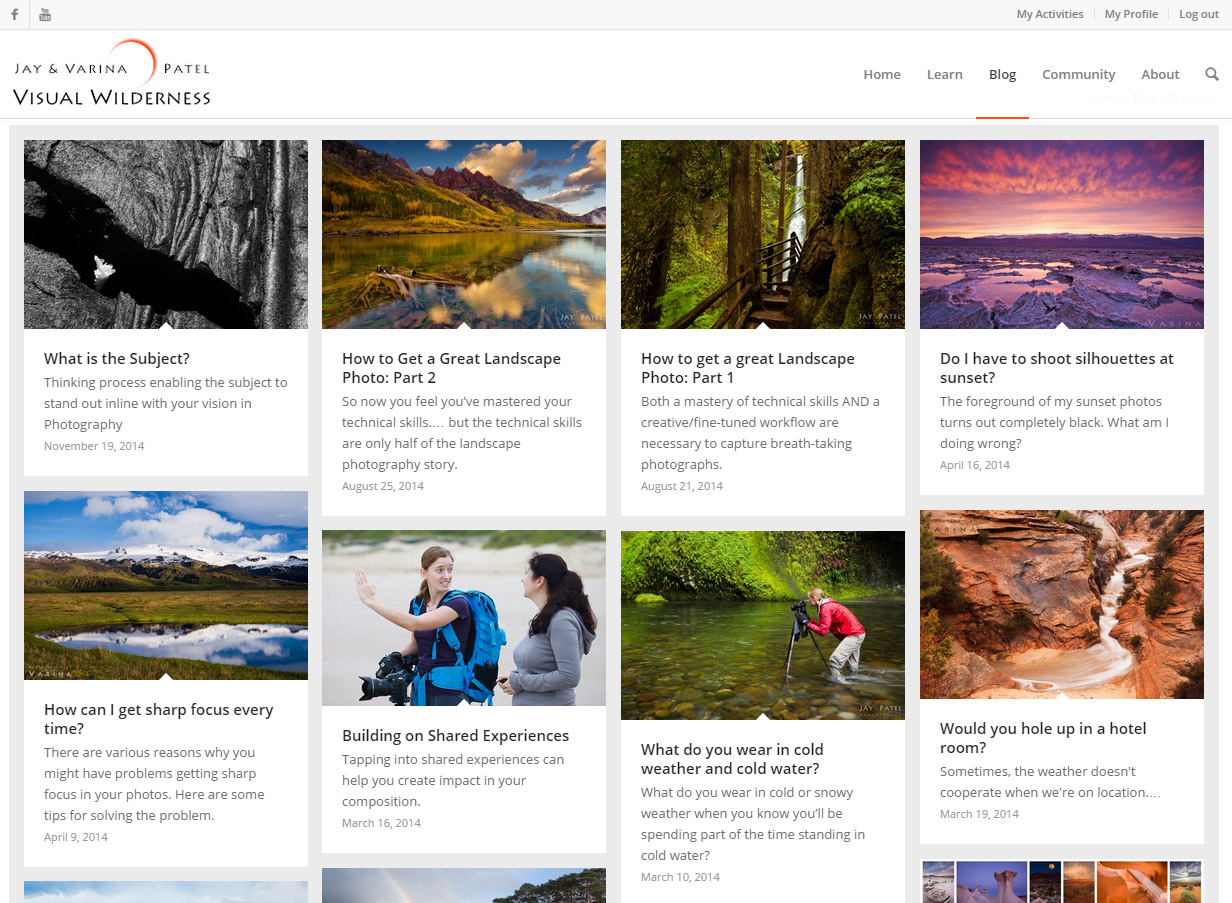
The most important content on our websites is the blog. We put up blog posts on a regular basis. These posts provide educational content for our viewers and provide information and announcements for our e-books, workshops, webinars, and events. So readability is critical – and we want our blog to be easy to read no matter what device you are using. Our new blog design is readable on any device – from a small mobile phone screen to a 30” monitor.

Responsive Blog and Galleries

VW Blog Categories

This was our biggest challenge in dealing with the responsive theme back in 2012. At that time, gallery plugins on the market were responsive but could leave a lot of white space as the screen size changes. We looked for inspiration from social media sites like Google+ and Pinterest and decided to design our own blog layout engine. We wanted a responsive and scaleable layout design that would shift and change to fit any screen size, use very little white space, work across multiple browsers, and show thumbnails without cropping. Pretty cool, right?! We use this design to display our blog article and showcase our image in galleries.

Mobile Friendly Lightbox

VW-Lightbox

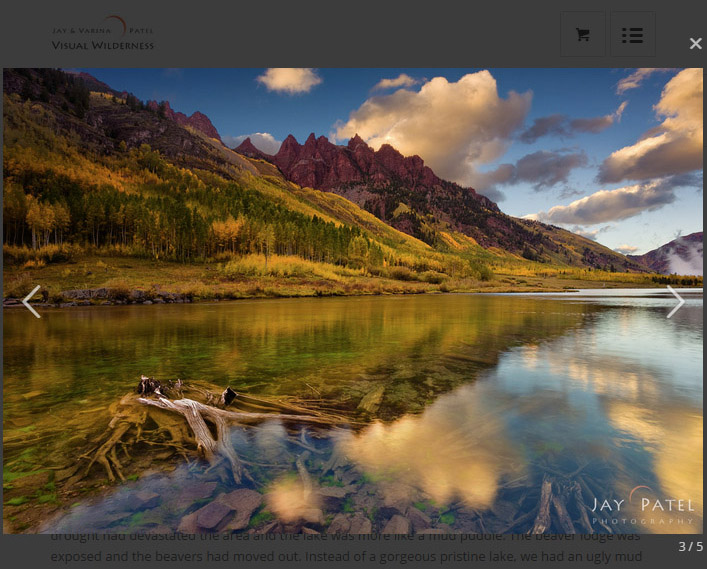
Although many light box and slideshow plugins work well enough on mobile devices, not all support the touch functionality that makes touch-based mobile devices user-friendly. We chose a light box and slideshow that was touch-friendly, worked on both desktop computers and mobile devices, and was compatible with our gallery layout.

With the responsive theme, our site is scaleable to any screen size. How can you tell if your website is mobile-friendly? You can use this tool to determine the mobile-friendliness of your site:  Mobile Friendly Site Test

About Author Jay Patel

I could startoff like this – “Seeds of Jay Patel’s appreciation for beautiful places were planted early in his childhood….” but it would get boring really fast. I will just sum it up and say that I am a Landscape and Wilderness Photographer who loves to capture dramatic light. My photographs have been published in various magazines, calendars and advertising materials throughout the world.
Patience is a virtue...unless you are chasing your dreams

Let's block ads! (Why?)


Visual Wilderness https://ift.tt/2vTIGGh

Sourced by Time Trap Photography sharing the best photography tips, news and tricks throughout the industry. Time Trap Photography is dedicated to freezing those special moments in life that can be revisited and admired for generations to come. - Shannon Bourque
Please visit our main site for booking availability and rates.


"Time


Receive valuable industry knowledge delivered free to your email each day.


"Time

About Us

Time Trap Photography is dedicated to freezing those special moments in life that can be revisited and admired for generations to come. - Shannon Bourque

The lens in focus

“Life is like a camera. Just focus on what’s important and capture the good times, develop from the negatives and if things don’t work out, just take another shot.” — Unknown

TIME TRAP PHOTOGRAPHY COPYRIGHT 2016